Dear version of me who refuses to unravel the sleeve,
I understand your objection. You have spent several evenings on it. The knitting has acquired the emotional status of paid work, and taking it apart feels like someone has refused to recognize your hours. Also, the yarn looked so promising when it was still a ball.
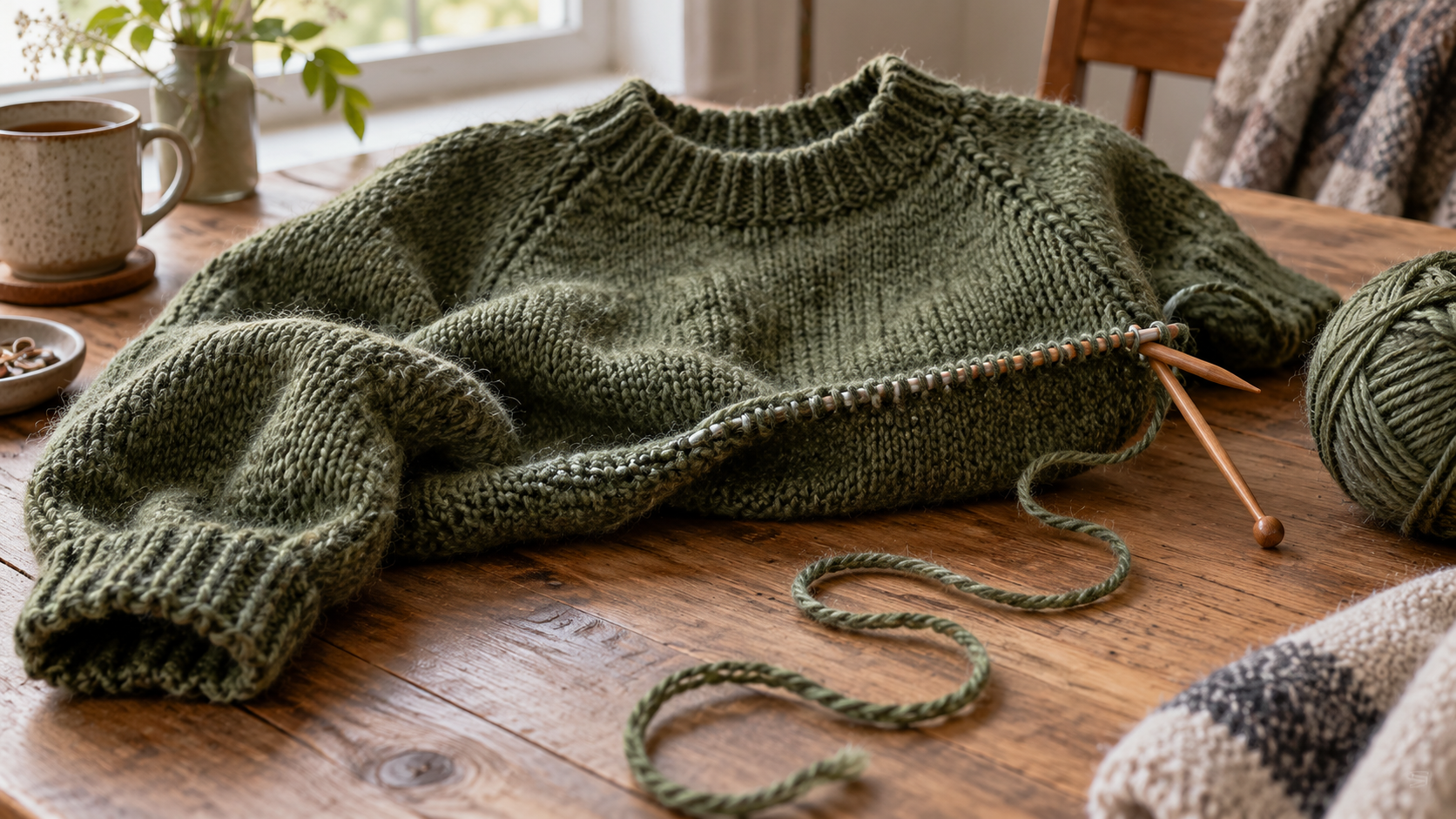
But the sleeve is not comfortable. You tried it, adjusted your arm, tried it again and began planning a life in which that arm would make fewer inconvenient movements. This is a fairly substantial request to make on behalf of a jumper.
The hours are real. So is the sleeve. Neither fact improves when you insist they must justify each other.
Start by naming the problem. Too tight in a particular place? An awkward length? A texture that feels different in a larger piece than in the sample? Give the difficulty a location instead of condemning the whole project in one exhausted sentence.
Then look at what can be preserved. Taking part of the work apart does not always require abandoning everything. A project is allowed to contain a revision. The original plan is not a sacred object merely because you followed it with concentration.
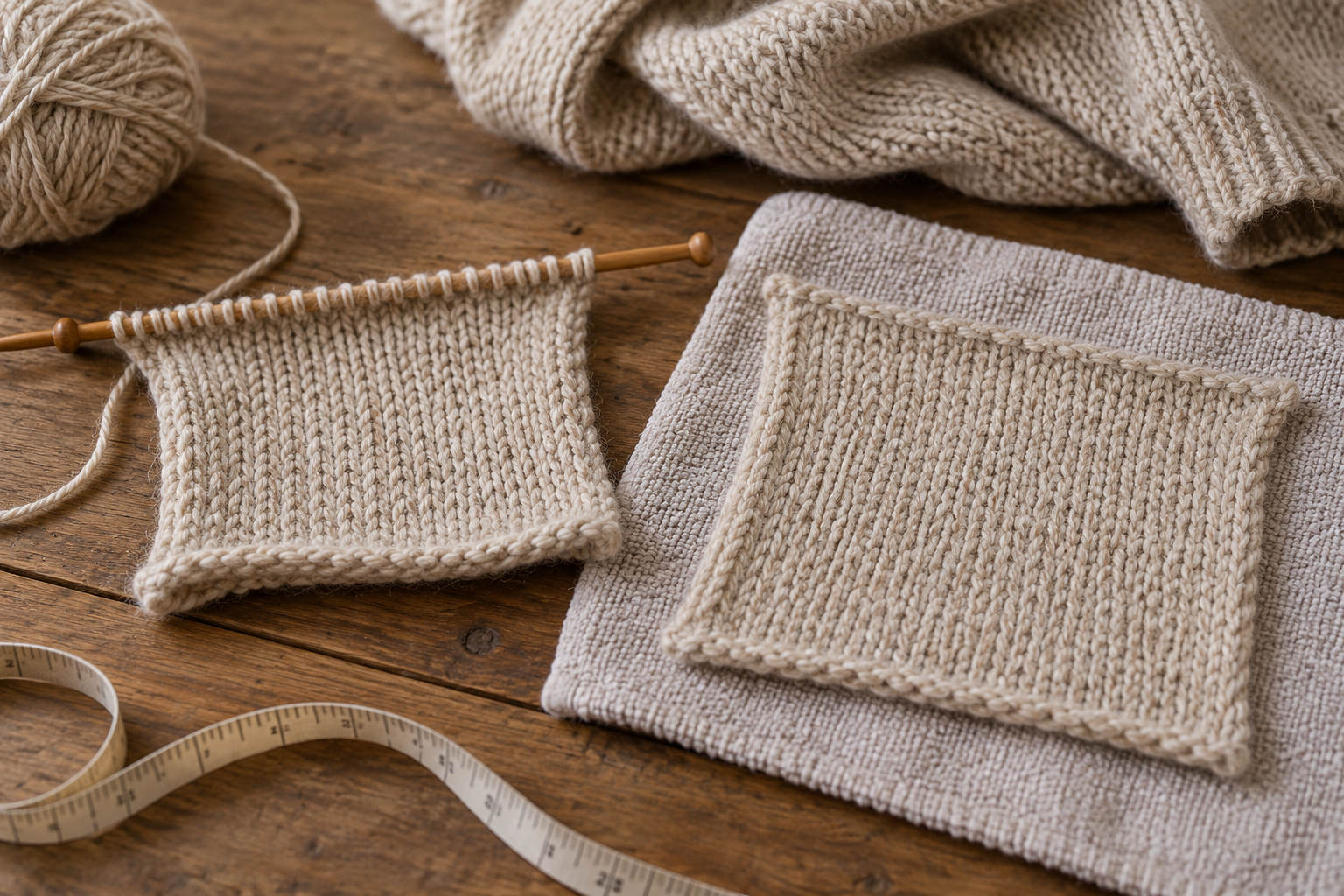
Before unravelling, record what you learned. Measure the relevant section in the way appropriate to the project. Note the yarn, needles, pattern version and the point where you intend to return. A few useful lines can keep the revision from becoming another experiment whose conditions disappear halfway through.
I know you dislike writing notes when you are annoyed. Write them anyway. Future you has many admirable qualities, but the ability to recover an undocumented decision from three weeks ago is not reliably among them.
There is no need to perform the whole correction tonight. Make the project safe to pause, put the materials together and leave a clear next step. An exhausted attempt to repair everything at once is a very enthusiastic way to create an additional problem.
Please remember that the point of this jumper is to become something you want to wear. A completed piece that spends years in a drawer because it is uncomfortable is a peculiar monument to refusing to reconsider a Tuesday evening.
I am not asking you to become perfectly rational about handmade things. Of course the work means something. That is one reason its usefulness matters. You cared enough to make it; caring can include changing the part that is preventing it from belonging comfortably to your life.
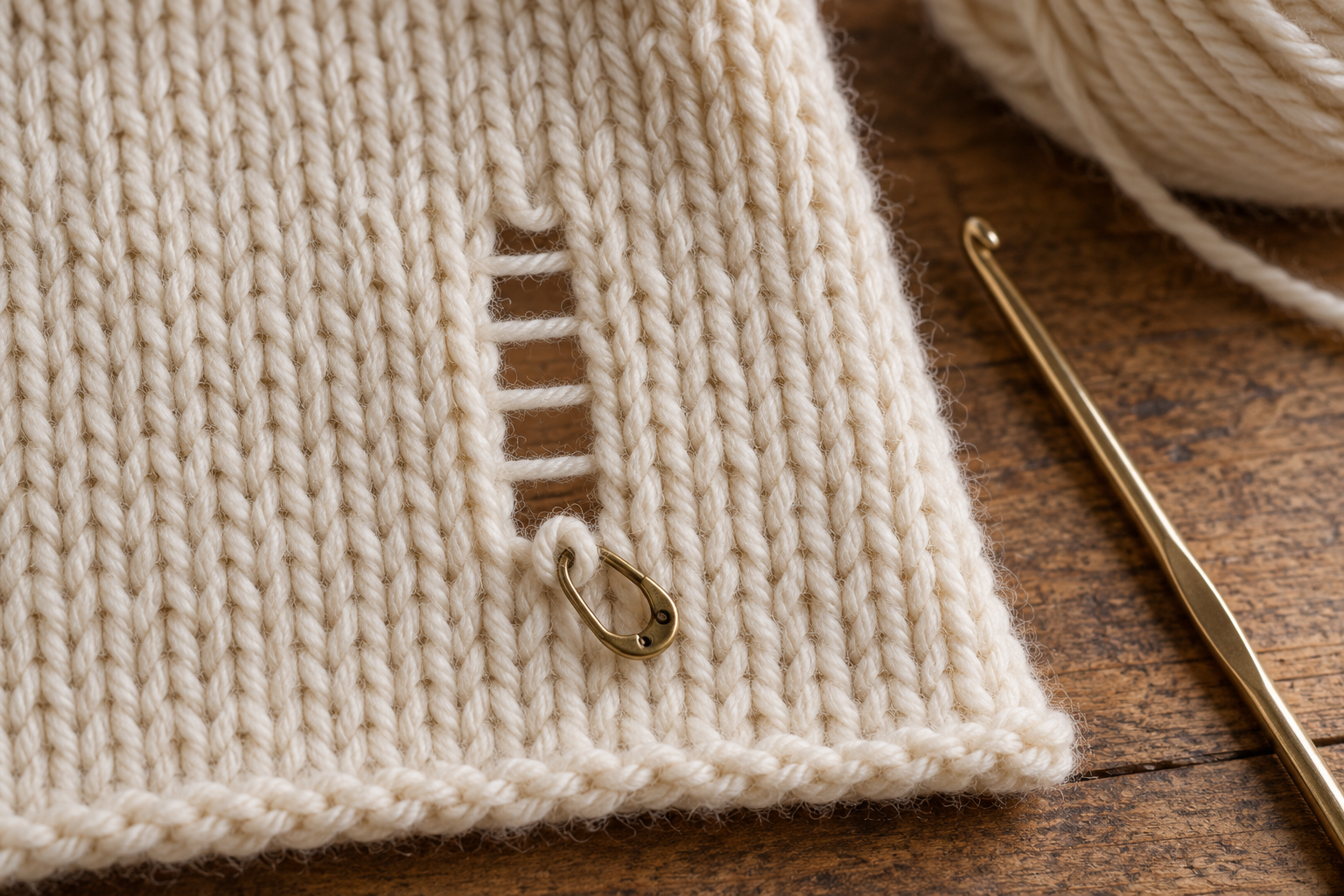
The first strand will look alarmingly curly when you release it. The shape is a record of where it has been, not an accusation. Handle the yarn according to its needs, keep track of the part you are preserving and allow the revision to have its own pace.
You may eventually decide that a different project suits this yarn better. That is also information. Every material does not owe your first idea a lifetime of service.
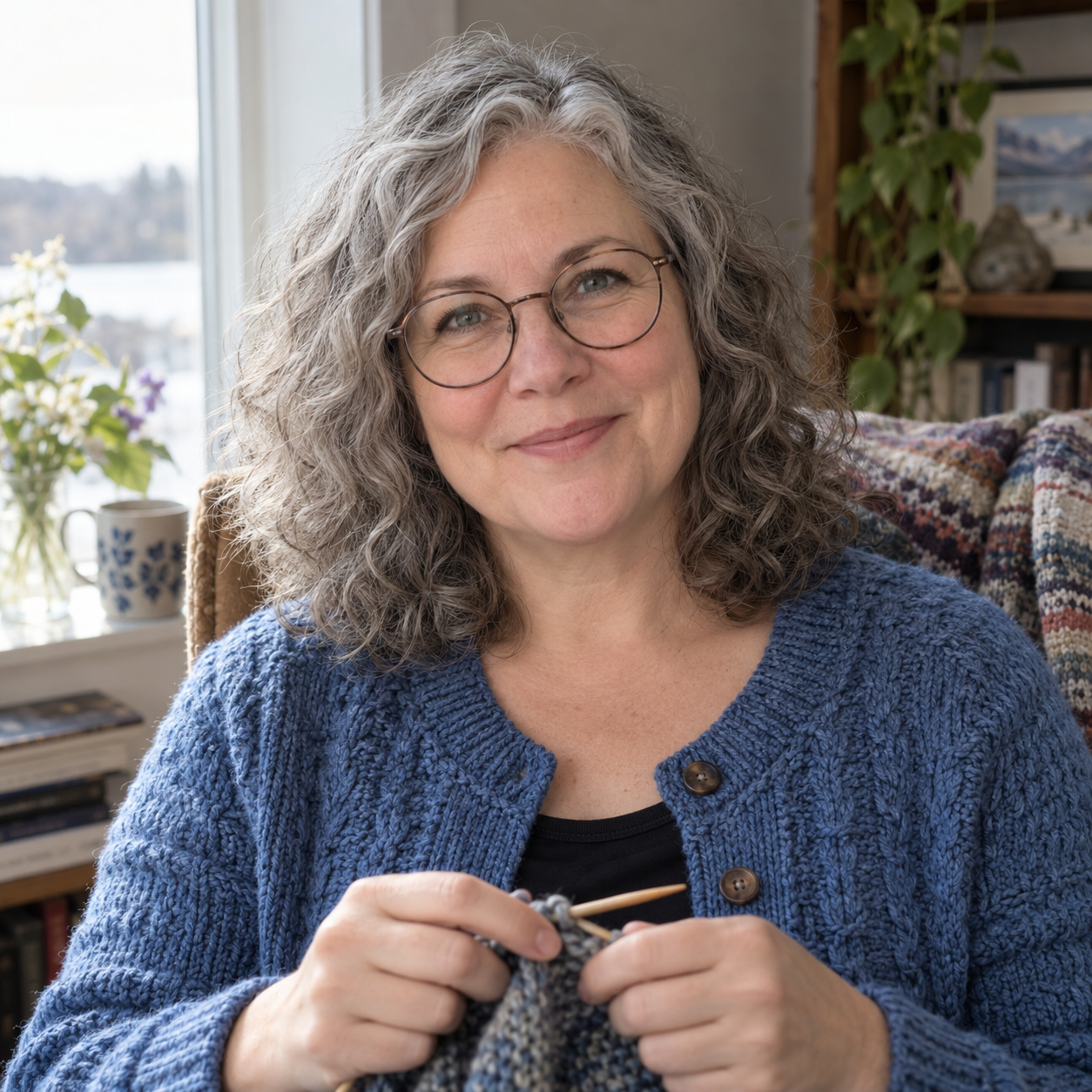
I am writing from the chair where the revised jumper is currently keeping me comfortable. The sleeve moves with my arm. I wear it without developing a strategy for reaching a mug. I can still remember the evenings spent on the original version, and I have not forgotten how annoying it was to undo them.
The work was not wasted. It taught us where the next version needed to change. Please put down the argument long enough to find the notebook.
Yours, with considerable sympathy,
Erica
A thought worth keeping?